
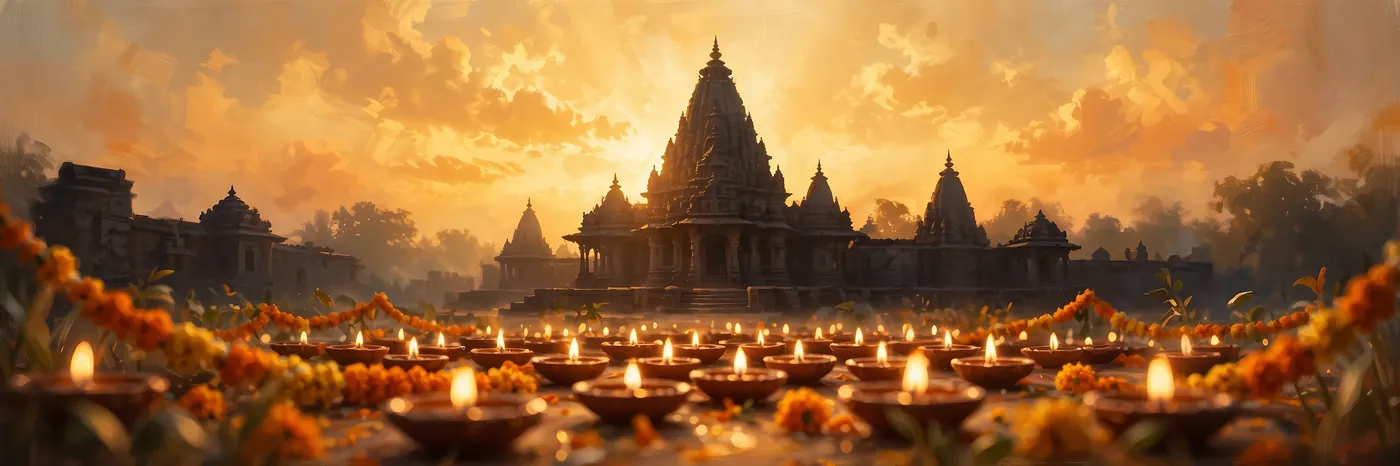
Welcome to the complete Hanuman Chalisa lyrics — presented in Devanagari Hindi, easy English transliteration, and clear verse-by-verse meaning. Composed over 400 years ago by the saint-poet Goswami Tulsidas, the Hanuman Chalisa is a forty-verse hymn (chalisa = “forty”) dedicated to Lord Hanuman, the embodiment of strength, devotion, and selfless service. Whether you want to chant it daily, learn the correct pronunciation, or understand the deep meaning hidden in each chaupai, this page is your complete companion. Below you will find all 43 verses — 2 opening dohas, 40 chaupai, and the closing doha — each with the authentic original text, Roman transliteration for non-Hindi readers, English meaning, and Hindi arth. Chanting the Hanuman Chalisa is believed to remove fear, overcome obstacles, and fill the devotee with courage and positive energy. Scroll down, find your verse, and begin your spiritual journey with Bajrang Bali’s blessings. Jai Shri Ram!
What Is Hanuman Chalisa?
The Hanuman Chalisa is one of the most beloved devotional hymns in Hinduism — a forty-verse prayer glorifying Lord Hanuman, the monkey-god devotee of Shri Rama. It was composed in the 16th century by the revered saint-poet Goswami Tulsidas, the same sage who gave the world the Ramcharitmanas, the Hindi retelling of the Ramayana.
Written in Awadhi, the sweet regional dialect of eastern Uttar Pradesh, the Chalisa was deliberately composed in the language of the common people rather than Sanskrit, so that every devotee — scholar or farmer — could recite and understand it. Its simple, musical rhythm makes it easy to memorize, and millions chant it daily across India and the world.
Structurally, the hymn contains 43 verses in total: 2 opening dohas, 40 chaupai (quatrains), and 1 closing doha. It opens with an invocation to the Guru and a prayer for wisdom, then narrates Hanuman’s divine qualities, his heroic deeds from the Ramayana — leaping across the ocean, burning Lanka, reviving Lakshmana with the Sanjeevani herb — and closes with a promise: whoever recites the Chalisa with devotion a hundred times is freed from bondage and attains bliss.
The Hanuman Chalisa is more than a prayer; it is a spiritual shield. Devotees believe its recitation dispels negative energies, calms the mind, grants courage in difficult times, and invokes Hanuman’s protection against all troubles. From grand temples to humble homes, its verses echo every Tuesday and Saturday — and in the hearts of devotees, every single day.
History of the Hanuman Chalisa
Hanuman Chalisa Lyrics — Complete 43 Verses
Read all 43 verses below — each with the original Devanagari text, Roman transliteration, English meaning, and Hindi arth.
श्रीगुरु चरन सरोज रज, निज मनु मुकुरु सुधारि।
बरनउँ रघुबर बिमल जसु, जो दायकु फल चारि॥
Shri guru charan saroj raj, nij manu mukuru sudhaari.
Baranaun Raghubar bimal jasu, jo daayaku phal chaari.
English Meaning: Having polished the mirror of my heart with the dust of my Guru’s lotus feet, I sing the pure glory of the best of the Raghu dynasty, which grants the four fruits of life — dharma, artha, kama and moksha.
Hindi Arth: गुरु के चरण-कमलों की धूल से अपने मन रूपी दर्पण को साफ़ करके मैं रघुकुल श्रेष्ठ श्रीराम के निर्मल यश का वर्णन करता हूँ, जो धर्म, अर्थ, काम और मोक्ष — चारों फल देने वाला है।
बुद्धिहीन तनु जानिके, सुमिरौं पवन-कुमार।
बल बुद्धि बिद्या देहु मोहिं, हरहु कलेस बिकार॥
Buddhiheen tanu jaanike, sumiraun Pavan-kumaar.
Bal buddhi vidya dehu mohin, harahu kales bikaar.
English Meaning: Knowing my body and mind to be lacking in wisdom, I remember you, O son of the Wind. Grant me strength, intelligence and knowledge, and remove my sorrows and impurities.
Hindi Arth: अपने तन को बुद्धिहीन जानकर मैं पवनपुत्र हनुमान जी का स्मरण करता हूँ। मुझे बल, बुद्धि और विद्या दीजिए तथा मेरे क्लेश और विकारों को हर लीजिए।
जय हनुमान ज्ञान गुन सागर। जय कपीस तिहुँ लोक उजागर॥
Jay Hanuman gyaan gun saagar. Jay Kapees tihun lok ujaagar.
English Meaning: Victory to Hanuman, the ocean of wisdom and virtue! Victory to the Lord of the monkeys, who is renowned in all three worlds!
Hindi Arth: ज्ञान और गुणों के सागर श्री हनुमान जी की जय हो! तीनों लोकों में प्रसिद्ध वानरों के स्वामी की जय हो!
राम दूत अतुलित बल धामा। अंजनि पुत्र पवनसुत नामा॥
Ram doot atulit bal dhaamaa. Anjani putra Pavan-sut naamaa.
English Meaning: You are Rama’s messenger, the abode of immeasurable strength — son of Anjani, and known by the name of the Wind-god’s son.
Hindi Arth: आप श्रीराम के दूत हैं, अतुलनीय बल के धाम हैं। आप माता अंजनी के पुत्र हैं और पवनसुत के नाम से जाने जाते हैं।
महाबीर बिक्रम बजरंगी। कुमति निवार सुमति के संगी॥
Mahaabeer bikram Bajrangi. Kumati nivaar sumati ke sangi.
English Meaning: O greatly valiant hero of mighty deeds, whose body is strong as a thunderbolt! Remove my evil thoughts and be the companion of noble wisdom.
Hindi Arth: हे महावीर! हे पराक्रमी बजरंगी! मेरी कुबुद्धि को दूर करो और सुमति के साथी बनो।
कंचन बरन बिराज सुबेसा। कानन कुंडल कुंचित केसा॥
Kanchan baran biraaj subesaa. Kaanan kundal kunchit kesaa.
English Meaning: Your body shines with a golden complexion, beautifully adorned; your ears are graced with earrings and your hair is curly.
Hindi Arth: आपका शरीर कंचन (स्वर्ण) के समान वर्ण वाला है और सुंदर वेश में सुशोभित है। कानों में कुंडल हैं और केश घुँघराले हैं।
हाथ बज्र अरु ध्वजा बिराजै। काँधे मूँज जनेऊ साजै॥
Haath bajra aru dhvaja biraajai. Kaandhe moonj janeu saajai.
English Meaning: In your hands shine the thunderbolt (vajra) and a flag; across your shoulder rests the sacred thread of munja grass.
Hindi Arth: आपके हाथों में वज्र और ध्वजा सुशोभित हैं, तथा कंधे पर मूँज की जनेऊ सजी हुई है।
संकर सुवन केसरी नंदन। तेज प्रताप महा जग बंदन॥
Sankar suvan Kesari nandan. Tej prataap mahaa jag bandan.
English Meaning: O son (incarnation) of Shankar, child of Kesari — your radiance and glory are worshipped by the entire world.
Hindi Arth: हे शंकर के पुत्र (अंशावतार), हे केसरी नंदन! आपका तेज और प्रताप सारे जगत में वंदनीय है।
बिद्यावान गुनी अति चातुर। राम काज करिबे को आतुर॥
Vidyaavaan guni ati chaatur. Ram kaaj karibe ko aatur.
English Meaning: You are learned, virtuous and exceedingly clever, and ever eager to accomplish Lord Rama’s work.
Hindi Arth: आप विद्यावान, गुणी और अत्यंत चतुर हैं तथा श्रीराम के कार्य करने के लिए सदा आतुर रहते हैं।
प्रभु चरित्र सुनिबे को रसिया। राम लखन सीता मन बसिया॥
Prabhu charitra sunibe ko rasiyaa. Ram Lakhan Sita man basiyaa.
English Meaning: You delight in hearing the Lord’s deeds; Rama, Lakshmana and Sita dwell forever in your heart.
Hindi Arth: आप प्रभु के चरित्र सुनने के रसिक हैं, और श्रीराम, लक्ष्मण तथा सीता जी आपके मन में बसते हैं।
सूक्ष्म रूप धरि सियहिं दिखावा। बिकट रूप धरि लंक जरावा॥
Sookshm roop dhari Siyahi dikhaavaa. Bikat roop dhari Lank jaraavaa.
English Meaning: Assuming a tiny form, you appeared before Sita; assuming a fearsome form, you set Lanka ablaze.
Hindi Arth: आपने सूक्ष्म रूप धारण करके सीता जी को दर्शन दिए और विकट (भयंकर) रूप धरकर लंका को जला दिया।
भीम रूप धरि असुर सँहारे। रामचन्द्र के काज सँवारे॥
Bheem roop dhari asur sanhaare. Ramchandra ke kaaj sanvaare.
English Meaning: Taking a colossal form, you destroyed the demons and accomplished the tasks of Ramachandra.
Hindi Arth: भीम (विशाल) रूप धारण करके आपने असुरों का संहार किया और श्रीरामचंद्र के कार्यों को सँवारा (सिद्ध किया)।
लाय सजीवन लखन जियाए। श्रीरघुबीर हरषि उर लाए॥
Laay sajeewan Lakhan jiyaaye. Shri Raghuveer harashi ur laaye.
English Meaning: Bringing the Sanjeevani herb, you revived Lakshmana; then Shri Raghuveer, overjoyed, embraced you to his heart.
Hindi Arth: संजीवनी बूटी लाकर आपने लक्ष्मण को जीवित किया, तब श्रीरघुवीर ने हर्षित होकर आपको अपने हृदय से लगा लिया।
रघुपति कीन्ही बहुत बड़ाई। तुम मम प्रिय भरतहि सम भाई॥
Raghupati keenhi bahut badaai. Tum mam priya Bharatahi sam bhaai.
English Meaning: Raghupati (Rama) praised you greatly, saying: “You are as dear to me as my brother Bharata.”
Hindi Arth: श्रीरघुपति ने आपकी बहुत बड़ाई की और कहा — “तुम मुझे भरत के समान भाई की तरह प्रिय हो।”
सहस बदन तुम्हरो जस गावैं। अस कहि श्रीपति कंठ लगावैं॥
Sahas badan tumharo jas gaavain. As kahi Shreepati kanth lagaavain.
English Meaning: “Thousands of mouths sing your glory,” said Shripati (Rama), and drew you into an embrace.
Hindi Arth: “तुम्हारा यश हज़ारों मुखों से गाया जाता है” — ऐसा कहकर श्रीपति (श्रीराम) ने आपको गले से लगा लिया।
सनकादिक ब्रह्मादि मुनीसा। नारद सारद सहित अहीसा॥
Sankaadik Brahmaadi muneesaa. Narad Saarad sahit Aheesaa.
English Meaning: Sanaka and the other sages, Brahma and the great munis, Narada, Saraswati, and Shesha, the king of serpents —
Hindi Arth: सनकादि ऋषिगण, ब्रह्मादि देवता और मुनीश्वर, नारद, शारदा (सरस्वती) सहित शेषनाग —
जम कुबेर दिगपाल जहाँ ते। कबि कोबिद कहि सके कहाँ ते॥
Jam Kuber digpaal jahaan te. Kabi kobid kahi sake kahaan te.
English Meaning: Yama, Kubera and the guardians of the directions — where could even poets and scholars find words to describe your glory?
Hindi Arth: यम, कुबेर और दिग्पाल भी जहाँ (आपके यश का वर्णन करने में असमर्थ हैं), वहाँ कवि और पंडित कहाँ तक कह सकते हैं?
तुम उपकार सुग्रीवहिं कीन्हा। राम मिलाय राज पद दीन्हा॥
Tum upkaar Sugreevahin keenhaa. Ram milaay raaj pad deenhaa.
English Meaning: You did a great favor for Sugriva — uniting him with Rama and granting him the royal throne.
Hindi Arth: आपने सुग्रीव पर उपकार किया — उन्हें श्रीराम से मिलवाया और राजपद दिलवाया।
तुम्हरो मंत्र बिभीषन माना। लंकेश्वर भए सब जग जाना॥
Tumharo mantra Bibheeshan maanaa. Lankeshvar bhaye sab jag jaanaa.
English Meaning: Vibhishana followed your counsel, and became the lord of Lanka — as all the world knows.
Hindi Arth: विभीषण ने आपका मंत्र (परामर्श) माना, और वे लंकेश्वर बने — यह सारा जग जानता है।
जुग सहस्र जोजन पर भानू। लील्यो ताहि मधुर फल जानू॥
Jug sahasra jojan par bhaanu. Leelyo taahi madhur phal jaanu.
English Meaning: The sun, situated thousands of yojanas away, you swallowed — mistaking it for a sweet fruit.
Hindi Arth: युग-सहस्र योजन दूर स्थित सूर्य (भानु) को आपने मीठा फल समझकर निगल लिया था।
प्रभु मुद्रिका मेलि मुख माहीं। जलधि लाँघि गए अचरज नाहीं॥
Prabhu mudrikaa meli mukh maaheen. Jaladhi laanghi gaye acharaj naaheen.
English Meaning: Placing the Lord’s ring in your mouth, you leapt across the ocean — and there is no wonder in that.
Hindi Arth: प्रभु की मुद्रिका (अंगूठी) को मुँह में लेकर आप समुद्र लाँघ गए — इसमें कोई आश्चर्य नहीं है।
दुर्गम काज जगत के जेते। सुगम अनुग्रह तुम्हरे तेते॥
Durgam kaaj jagat ke jete. Sugam anugrah tumhare tete.
English Meaning: Whatever difficult tasks exist in the world, all become easy by your grace.
Hindi Arth: जगत के जितने भी दुर्गम (कठिन) कार्य हैं, वे सब आपकी कृपा से सुगम (सरल) हो जाते हैं।
End of Writer A batch — verses 1–22. Continue with Writer B: closing doha + chaupai 21–40.
राम दुआरे तुम रखवारे। होत न आज्ञा बिनु पैसारे॥
Rāma duāre tuma rakhvāre. Hota na āgyā binu paisāre.
English Meaning:
You are the gatekeeper at Lord Rama’s door — no one can enter without your permission. This verse teaches that Rama’s grace reaches us through Hanuman’s approval; devotion to Hanuman is the doorway to Rama.
Hindi Arth:
तुम श्रीराम के द्वार के रक्षक हो; तुम्हारी आज्ञा के बिना कोई भीतर प्रवेश नहीं कर सकता। राम की कृपा हनुमान की कृपा के माध्यम से ही प्राप्त होती है।
सब सुख लहै तुम्हारी सरना। तुम रक्षक काहू को डर ना॥
Saba sukha lahai tumhārī saranā. Tuma rakṣaka kāhū ko ḍara nā.
English Meaning:
Whoever takes refuge in you gains every happiness; with you as the protector, there is no fear of anyone or anything. This is the Chalisa’s promise of complete spiritual security.
Hindi Arth:
जो तुम्हारी शरण में आता है, वह समस्त सुख पाता है। जब तुम रक्षक हो, तो किसी का भी डर नहीं रहता।
आपन तेज सम्हारो आपै। तीनों लोक हाँक तें काँपै॥
Āpana teja sambhāro āpai. Tīnō̃ loka hā̃ka tē̃ kā̃pai.
English Meaning:
You alone can restrain your own immense radiance — the three worlds tremble at your roar. It celebrates Hanuman’s boundless power, which he wields only with perfect self-control.
Hindi Arth:
तुम अपने अपार तेज को स्वयं संभालते हो; तुम्हारी गर्जना से तीनों लोक काँप उठते हैं।
भूत पिसाच निकट नहिं आवै। महावीर जब नाम सुनावै॥
Bhūta pisāca nikaṭa nahī̃ āvai. Mahāvīra jaba nāma sunāvai.
English Meaning:
Ghosts and evil spirits dare not come near when the name of Mahavir is chanted. This is why the Chalisa is traditionally recited for protection from negative energies, nightmares, and the evil eye.
Hindi Arth:
जब महावीर हनुमान का नाम लिया जाता है, तो भूत-पिशाच और बुरी शक्तियाँ पास भी नहीं फटकतीं।
नासै रोग हरै सब पीरा। जपत निरंतर हनुमत बीरा॥
Nāsai roga harai saba pīrā. Japata nirantara hanumata bīrā.
English Meaning:
Diseases are destroyed and all suffering removed by constantly chanting the name of the brave Hanuman. Devotees recite this verse especially for healing and relief from pain.
Hindi Arth:
वीर हनुमान का निरंतर जप करने से रोग नष्ट होते हैं और समस्त पीड़ा हर जाती है।
संकट तें हनुमान छुड़ावै। मन क्रम बचन ध्यान जो लावै॥
Saṅkaṭa tē̃ hanumāna chuḍāvai. Mana krama bacana dhyāna jo lāvai.
English Meaning:
Hanuman frees from every crisis whoever meditates on him in thought, word, and deed. This is the verse that gives him the beloved title “Sankat Mochan” — the remover of troubles.
Hindi Arth:
जो मन, वचन और कर्म से हनुमान का ध्यान करता है, उसे वे हर संकट से छुड़ा लेते हैं।
सब पर राम तपस्वी राजा। तिन के काज सकल तुम साजा॥
Saba para rāma tapasvī rājā. Tina ke kāja sakala tuma sājā.
English Meaning:
Rama, the ascetic king, is supreme over all — and you accomplished every one of his tasks. It honours Hanuman as the perfect sevak, whose service made even Rama’s impossible missions succeed.
Hindi Arth:
तपस्वी राजा राम सबसे ऊपर हैं, और तुमने उनके सारे कार्य सिद्ध किए।
और मनोरथ जो कोई लावै। सोइ अमित जीवन फल पावै॥
Aura manoratha jo koī lāvai. Soī amita jīvana phala pāvai.
English Meaning:
Whoever brings any heartfelt desire to you receives limitless fruit in life. The Chalisa promises that sincere prayers placed before Hanuman are never left unanswered.
Hindi Arth:
जो कोई भी अपनी मनोकामना लेकर तुम्हारे पास आता है, उसे असीमित जीवन-फल प्राप्त होता है।
चारों जुग परताप तुम्हारा। है परसिद्ध जगत उजियारा॥
Cārō̃ juga paratāpa tumhārā. Hai prasiddha jagata ujiyārā.
English Meaning:
Your glory shines through all four yugas — Satya, Treta, Dvapara, and Kali — famed throughout the world like light. Hanuman is Chiranjivi, the immortal one, present in every age.
Hindi Arth:
तुम्हारी महिमा चारों युगों में विद्यमान है; वह जगत में उजियारे की तरह प्रसिद्ध है।
साधु संत के तुम रखवारे। असुर निकंदन राम दुलारे॥
Sādhu santa ke tuma rakhvāre. Asura nikandana rāma dulāre.
English Meaning:
You are the protector of saints and sages, the destroyer of demons, and the beloved of Rama. This verse captures Hanuman’s twin nature — gentle guardian of the good, fierce foe of evil.
Hindi Arth:
तुम साधु-संतों के रक्षक हो, असुरों का संहार करने वाले हो, और श्रीराम के प्रिय हो।
अष्ट सिद्धि नौ निधि के दाता। अस बर दीन्ह जानकी माता॥
Aṣṭa siddhi nau nidhi ke dātā. Asa bara dīnha jānakī mātā.
English Meaning:
You are the giver of the eight siddhis and the nine nidhis — such was the boon Mother Janaki (Sita) granted you. Hanuman’s devotees believe sincere worship can bestow both spiritual powers and material abundance.
Hindi Arth:
तुम अष्ट सिद्धियों और नव निधियों के दाता हो; ऐसा वरदान तुम्हें जानकी माता ने दिया था।
राम रसायन तुम्हरे पासा। सदा रहो रघुपति के दासा॥
Rāma rasāyana tumhare pāsā. Sadā raho raghupati ke dāsā.
English Meaning:
You hold the elixir (rasayan) of Rama’s name, which cures the disease of worldly existence. The poet prays that Hanuman ever remain the devoted servant of Raghupati — and bless us with the same devotion.
Hindi Arth:
राम-नाम का रसायन तुम्हारे पास है; तुम सदा रघुपति के दास बने रहो।
तुम्हरे भजन राम को पावै। जनम जनम के दुख बिसरावै॥
Tumhare bhajana rāma ko pāvai. Janama janama ke dukha bisarāvai.
English Meaning:
Through devotion to you, one attains Rama and forgets the sorrows of countless births. Hanuman is the surest path to Rama — worshipping the servant leads to the Master.
Hindi Arth:
तुम्हारे भजन से श्रीराम मिलते हैं और जन्म-जन्म के दुख भूल जाते हैं।
अंत काल रघुबर पुर जाई। जहाँ जन्म हरि भक्त कहाई॥
Anta kāla raghubara pura jāī. Jahā̃ janma hari bhakta kahāī.
English Meaning:
At life’s end, the devotee goes to Rama’s divine abode; and if born again, is known everywhere as a devotee of Hari. The Chalisa promises both liberation (mukti) and blessed rebirth.
Hindi Arth:
अंत समय में भक्त रघुबर के धाम को जाता है; और यदि पुनः जन्म ले तो हरि-भक्त कहलाता है।
और देवता चित्त न धरई। हनुमत सेइ सर्ब सुख करई॥
Aura devatā citta na dharaī. Hanumata seī sarba sukha karaī.
English Meaning:
One need not fix the mind on other deities — serving Hanuman alone brings every happiness. Tulsidas assures us that single-pointed devotion to Hanuman fulfils all that other worship would.
Hindi Arth:
अन्य देवताओं में चित्त लगाने की आवश्यकता नहीं; केवल हनुमान की सेवा से सर्व सुख प्राप्त होता है।
संकट कटै मिटै सब पीरा। जो सुमिरै हनुमत बलबीरा॥
Saṅkaṭa kaṭai miṭai saba pīrā. Jo sumirai hanumata balabīrā.
English Meaning:
Every crisis is cut away and all pain erased for whoever remembers the mighty hero Hanuman. This verse is among the most chanted for instant relief in times of fear and distress.
Hindi Arth:
जो बलवीर हनुमान का स्मरण करता है, उसके संकट कट जाते हैं और समस्त पीड़ा मिट जाती है।
जै जै जै हनुमान गोसाईं। कृपा करहु गुरुदेव की नाईं॥
Jai jai jai hanumāna gosāī̃. Kṛpā karahu gurudeva kī nāī̃.
English Meaning:
Victory, victory, victory to Lord Hanuman! Shower your grace upon me as a guru does upon his disciple. The triple “Jai” expresses complete surrender of body, mind, and soul.
Hindi Arth:
जय जय जय हो, हनुमान गोसाईं! गुरुदेव की तरह मुझ पर कृपा करो।
जो सत बार पाठ कर कोई। छूटहि बंदि महा सुख होई॥
Jo sata bāra pāṭha kara koī. Chūṭahi bandi mahā sukha hoī.
English Meaning:
Whoever recites this Chalisa a hundred times is freed from bondage and attains great bliss. “Bondage” means both literal imprisonment and the inner chains of bad habits, debt, and despair.
Hindi Arth:
जो कोई इसका सौ बार पाठ करता है, वह बंधनों से छूटकर महान सुख पाता है।
जो यह पढ़ै हनुमान चालीसा। होय सिद्धि साखी गौरीसा॥
Jo yaha paṛhai hanumāna cālīsā. Hoya siddhi sākhī gaurīsā.
English Meaning:
Whoever reads this Hanuman Chalisa attains siddhi (spiritual accomplishment) — Lord Shiva himself, the lord of Gauri, is the witness to this promise. The guarantee comes with the highest divine authority.
Hindi Arth:
जो यह हनुमान चालीसा पढ़ता है, उसे सिद्धि प्राप्त होती है; इसके साक्षी स्वयं गौरीश (भगवान शिव) हैं।
तुलसीदास सदा हरि चेरा। कीजै नाथ हृदय महँ डेरा॥
Tulasīdāsa sadā hari cerā. Kījai nātha hṛdaya mahã ḍerā.
English Meaning:
Tulsidas, ever the servant of Hari, prays: “O Lord, make your dwelling in my heart.” The Chalisa ends not with a demand but with humble devotion — inviting Hanuman to live within the devotee’s heart forever.
Hindi Arth:
हरि के सदा सेवक तुलसीदास प्रार्थना करते हैं: हे नाथ, मेरे हृदय में निवास कीजिए।
पवनतनय संकट हरन मंगल मूरति रूप।
राम लखन सीता सहित हृदय बसहु सुर भूप॥
Pavanatanaya saṅkaṭa harana maṅgala mūrati rūpa.
Rāma lakhana sītā sahita hṛdaya basahu sura bhūpa.
English Meaning:
O Son of the Wind, remover of crises, embodiment of auspiciousness — dwell in my heart along with Rama, Lakshmana, and Sita, O king among the gods. The Chalisa closes by enthroning the entire divine family within the heart.
Hindi Arth:
हे पवनपुत्र, संकट हरने वाले, मंगल-मूर्ति! राम, लक्ष्मण और सीता सहित मेरे हृदय में बसो, हे सुर-भूप।
Ashta Siddhi — The Eight Supernatural Powers (अष्ट सिद्धि)
Chaupai 31 calls Hanuman the giver of the Ashta Siddhi. These are the eight classical yogic powers described in Patanjali’s Yoga Sutras and the Puranas: Anima (becoming infinitesimally small, as Hanuman did to enter Lanka), Mahima (growing immensely vast), Garima (becoming infinitely heavy and immovable), Laghima (becoming weightless, enabling flight), Prapti (reaching or attaining anything, anywhere), Prakamya (irresistible will — whatever is willed comes to pass), Ishitva (lordship over creation itself), and Vashitva (complete control over all beings and elements). Tradition holds that Sita granted Hanuman mastery of all eight as a boon for his selfless service. Devotees believe that sincere recitation of the Chalisa awakens these powers in subtle form — not as magic tricks, but as mastery over one’s own body, mind, and circumstances.
Nav Nidhi — The Nine Divine Treasures (नव निधि)
The same verse names Hanuman the giver of the Nav Nidhi — the nine treasures of Kubera, the celestial treasurer. They are: Padma (lotus — gold and silver), Mahapadma (great lotus — rubies and precious gems), Shankha (conch — grains and abundant food), Makara (crocodile — weapons and armaments), Kachhapa (tortoise — copper and bronze vessels), Mukunda (quicksilver — music and the fine arts), Kunda (jasmine — pearls and fragrant wealth), Nila (sapphire — blue gems and precious stones), and Kharva (the cup — miscellaneous riches). Symbolically, the nine nidhis represent every form of prosperity — material, artistic, and spiritual. The verse’s promise is profound: Hanuman’s grace does not only remove suffering; it actively bestows abundance in all its forms.
Per-Verse Benefits — Which Chaupai for Which Problem?
| Chaupai | Opening words | Benefit — recite when you need… |
|---|---|---|
| 3 | महाबीर बिक्रम बजरंगी | …to drive away negative, foolish thoughts and gain wisdom, courage, and good company. |
| 8 | प्रभु चरित्र सुनिबे को रसिया | …to deepen devotion and find joy in hearing or reading Rama’s divine stories. |
| 11 | लाय सजीवन लखन जियाये | …healing in serious illness or danger — the Sanjivani verse, for life-threatening situations. |
| 18 | जुग सहस्र जोजन पर भानु | …fearlessness to attempt the seemingly impossible; destroys self-doubt. |
| 19 | प्रभु मुद्रिका मेलि मुख माहीं | …success in difficult missions and protection during long or risky journeys. |
| 24 | भूत पिसाच निकट नहिं आवै | …protection from the evil eye, nightmares, negative energies, and unseen fears. |
| 25 | नासै रोग हरै सब पीरा | …relief from disease, chronic pain, and physical suffering. |
| 26 | संकट तें हनुमान छुड़ावै | …rescue from any crisis — legal trouble, financial distress, or emergencies. |
| 31 | अष्ट सिद्धि नौ निधि के दाता | …spiritual power and material prosperity; Sita’s boon verse. |
| 32 | राम रसायन तुम्हरे पासा | …freedom from worldly attachment and deeper, purer devotion to Rama. |
| 36 | संकट कटै मिटै सब पीरा | …instant comfort in fear, grief, or anxiety — the most chanted verse for peace of mind. |
| 38 | जो सत बार पाठ कर कोई | …freedom from bondage — imprisonment, debt, addiction, or oppressive situations. |
Chanting Counts Guide — 11, 21, 51, 108
Recitations (ग्यारह पाठ)
Eleven recitations take about 25–30 minutes and form the classic daily practice. It is the most recommended count for Tuesday and Saturday worship — enough to settle the mind fully into devotion without straining a beginner. Devotees observe 11 daily recitations for 40 days (a mandal) to fulfil a specific wish, and many continue it lifelong as their morning sadhana. The number 11 is sacred to Hanuman (the eleventh Rudra avatar), making it especially dear to him.
Recitations (इक्कीस पाठ)
Twenty-one recitations take roughly an hour and mark a step into serious sankat-mochan sadhana. This count is traditionally undertaken when facing a significant obstacle — a court case, a health crisis, or a major life decision. Many devotees complete 21 recitations every Tuesday for 11 consecutive Tuesdays. The practice builds intense one-pointed focus, and tradition holds that sustained 21-path sadhana can dissolve even long-standing misfortunes.
Recitations (इक्यावन पाठ)
Fifty-one recitations — about two and a half hours of continuous chanting — is an intense sadhana reserved for deep crises or major spiritual vows. It is commonly performed on Hanuman Jayanti, during eclipse periods, or as a mannat (vow) for an urgent need. Because the count demands stamina and unwavering concentration, it is said to burn through heavy karmic blockages and is often done in temples or group chanting sessions for collective strength.
Recitations (एक सौ आठ पाठ)
One hundred and eight is the complete mala — the full spiritual circuit. A 108-path recitation takes 5–6 hours and is the most powerful traditional observance, undertaken for life-changing intentions: marriage, childbirth, recovery from grave illness, or protection from severe Shani or Mangal affliction. The number 108 mirrors the 108 beads of the japa mala and the 108 Upanishads, symbolising cosmic completeness. Completing it is considered equivalent to a full anushthan.
Frequently Asked Questions
1. Who wrote the Hanuman Chalisa?
2. How many chaupais are in the Hanuman Chalisa?
3. What is the best time to read the Hanuman Chalisa?
4. Why are Tuesday and Saturday special for Hanuman?
5. How many times should the Hanuman Chalisa be recited?
6. Can women read the Hanuman Chalisa?
7. What language is the Hanuman Chalisa written in?
8. What does “Chalisa” mean?
9. Is the Hanuman Chalisa effective for Shani dosha / Sade Sati?
10. Can the Hanuman Chalisa be read at night?
11. What is the significance of 108 recitations?
12. Where can I get the Hanuman Chalisa PDF?